
News & Events
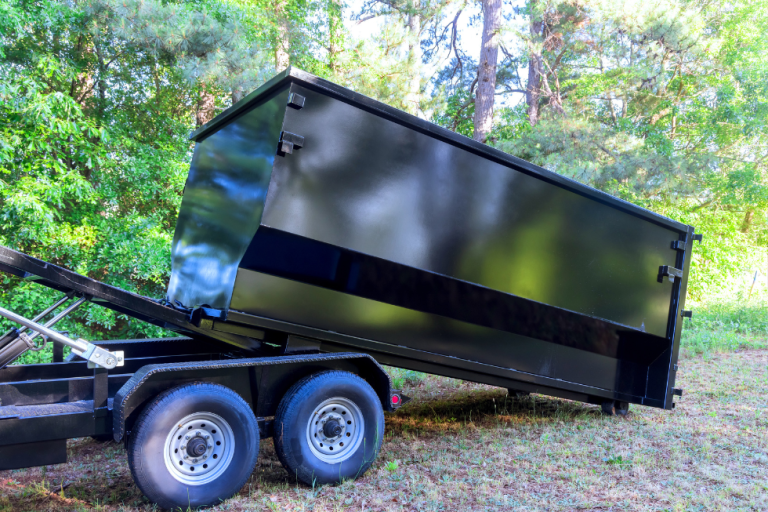
A dumpster rental helps keep your project organized and safe. Placement plays a major role in how well the rental works. A poor setup leads to blocked access, damaged surfaces, safety risks, and extra fees. A well placed dumpster keeps debris moving smoothly and protects your property during the project.
Whether you are cleaning out a home, remodeling a kitchen, or managing a construction site, the right placement saves time and reduces stress. Before your dumpster arrives, take time to prepare the area and understand the basic placement guidelines.
Why Dumpster Placement Matters
Dumpster placement affects the entire rental process. A container placed too close to a structure limits loading access. A dumpster placed on unstable ground creates safety concerns. Poor placement also slows pickup and delivery.
Roll off dumpsters require enough room for the delivery truck to maneuver safely. Most trucks need a straight and clear path with overhead space free from branches, wires, or roof overhangs. The placement area should support the weight of the container once filled with debris.
Planning ahead also helps prevent damage to driveways, lawns, sidewalks, and landscaping. Heavy dumpsters place pressure on the surface underneath, especially during rainy weather or long rental periods.
Best Locations For Dumpster Placement
Driveways remain one of the most common and practical locations for residential dumpster rentals. A driveway offers a stable surface and keeps the dumpster close to the work area. This setup reduces walking distance and speeds up cleanup.
Concrete driveways handle weight better than asphalt in warm weather. If you use asphalt, plywood boards under the dumpster wheels help reduce pressure and surface marks. Gravel areas also work well if the surface remains level and compact.
Construction sites often use open sections near the active work zone. The container should stay close enough for easy loading without blocking equipment, materials, or traffic flow. Leave enough room around the dumpster for workers to move safely.
Street placement works in some situations when driveway space is limited. Many cities require a permit before placing a dumpster on a public street. Check local regulations before delivery day to avoid fines or removal issues. (saracenodisposal.com)
How To Prepare For A Dumpster Delivery
Preparation makes delivery faster and safer. Start by clearing the placement area completely. Remove vehicles, equipment, trash bins, and outdoor furniture before the truck arrives.
Measure the available space carefully. Most roll off dumpsters require about 10 feet of width and up to 60 feet of straight clearance for delivery. Vertical clearance matters as well. Tree branches and power lines create serious hazards during placement. (Eagle Dumpster Rental)
Protect the surface underneath the dumpster if needed. Plywood sheets distribute weight more evenly and reduce scratches or dents. This step helps preserve driveways and paved surfaces during longer rentals.
Weather conditions also affect placement. Wet or soft ground shifts under heavy loads. Avoid placing dumpsters on grass or loose soil during rainy periods unless no other option exists.
Dumpster Placement Tips For Safe Loading
Safe loading starts with proper placement. Position the dumpster where debris enters easily without long carrying distances. A convenient location reduces strain and keeps the project moving efficiently.
Keep the swinging door accessible if your dumpster includes one. Walk in loading works better for heavy materials like drywall, flooring, and furniture. Blocking the door limits access and slows down cleanup.
Leave space around the dumpster for foot traffic and equipment. Crowded placement areas increase the chance of accidents. Construction crews benefit from extra room around the container for wheelbarrows and material handling.
Distribute debris evenly inside the dumpster. Uneven loading shifts weight during pickup and creates safety risks. Heavy materials such as concrete, roofing shingles, and dirt should stay spread across the bottom of the container.
Never overload the dumpster above the top edge. Overflowing debris creates hazards during transportation and often results in extra charges. Many rental providers refuse pickup until materials are removed to a safe level.
Common Dumpster Placement Mistakes To Avoid
One common mistake involves placing the dumpster too close to garages, fences, or homes. Tight spaces limit access and increase the risk of accidental damage during delivery or pickup.
Another issue comes from ignoring surface strength. A filled dumpster weighs several tons depending on the material inside. Weak pavement or soft ground sinks under pressure and creates expensive repairs.
Some renters forget about overhead obstacles. Utility wires, tree limbs, and gutters interfere with truck operation. Delivery drivers need vertical space to raise and lower the dumpster safely.
Poor planning around traffic flow also creates problems. A dumpster blocking a driveway, sidewalk, or loading area disrupts daily activity and creates frustration for neighbors or workers.
Waiting until delivery day to clear the area slows the process. Delivery drivers often work on tight schedules. A blocked site leads to delays or rescheduling fees.
Choosing The Right Dumpster Size For Placement
Dumpster size affects where the container fits and how much space you need around it. Smaller dumpsters work well for garage cleanouts, yard debris, and minor renovations. Larger containers require more room for delivery and loading.
A 10 yard dumpster usually fits comfortably in most residential driveways. Larger 20 yard or 30 yard dumpsters require additional clearance and longer placement areas.
Think about the type of debris as well. Heavy materials take up less space but add significant weight. Bulky items like furniture and demolition debris require larger containers and wider loading access.
Rental companies often help determine the right size based on your project scope. Choosing the correct dumpster from the start prevents overflow issues and reduces the need for multiple hauls.
Residential Dumpster Placement Considerations
Homeowners should think about neighbors, HOA rules, and driveway access before scheduling delivery. Some neighborhoods restrict street placement or require approval for temporary dumpsters.
Keep the dumpster away from parked vehicles and basketball goals. Delivery trucks need space to angle and lower the container safely. Clear communication with the rental provider also helps prevent placement confusion.
If children or pets use the area, consider temporary barriers around the dumpster. This added safety measure reduces accidental injuries during the rental period.
Commercial And Construction Site Placement
Commercial projects require more planning due to equipment movement and ongoing operations. Place dumpsters where crews access them easily without interrupting deliveries or customer traffic.
Construction sites benefit from dedicated waste zones. Keeping debris contained improves site organization and supports safer working conditions. Large projects often rotate dumpsters as debris accumulates throughout different phases.
Coordinate placement with project managers and subcontractors before delivery. A clear plan improves workflow and reduces downtime during loading and pickup.
A dumpster rental works best when placement supports safety, convenience, and efficient cleanup. Taking time to prepare the site protects your property and keeps your project on schedule. WasteWorks provides reliable dumpster rental services for residential cleanouts, construction debris, remodeling projects, and commercial waste removal. Visit https://wasteworksusa.com/ to schedule your dumpster rental and get expert support for your next project.